The physical limit is not just a theoretical concept but a practical reality that defines the boundary of current electronic design, forcing engineers to rethink system architecture rather than simply shrinking existing parts.
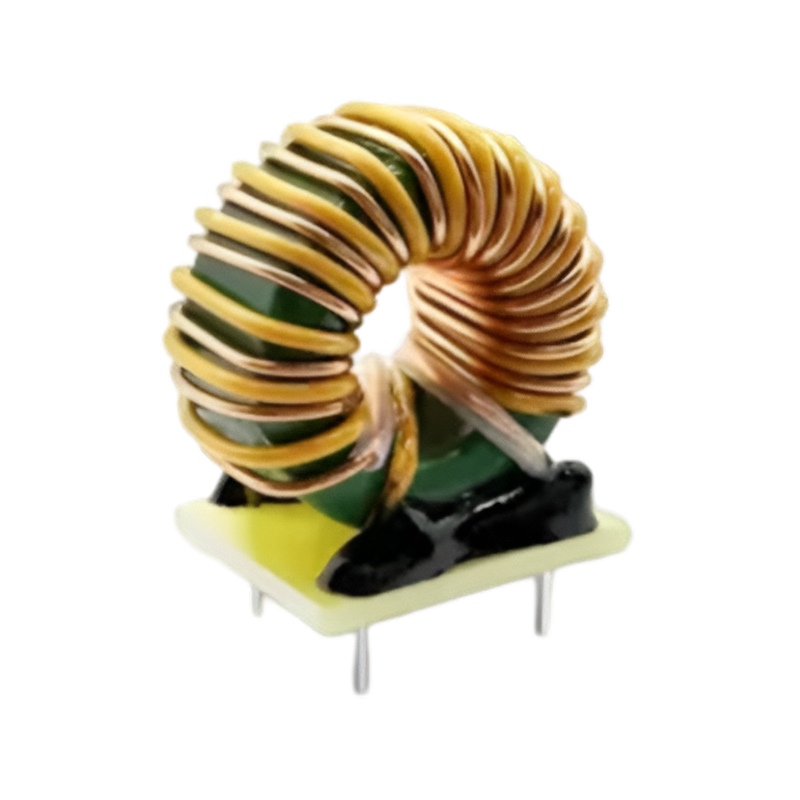
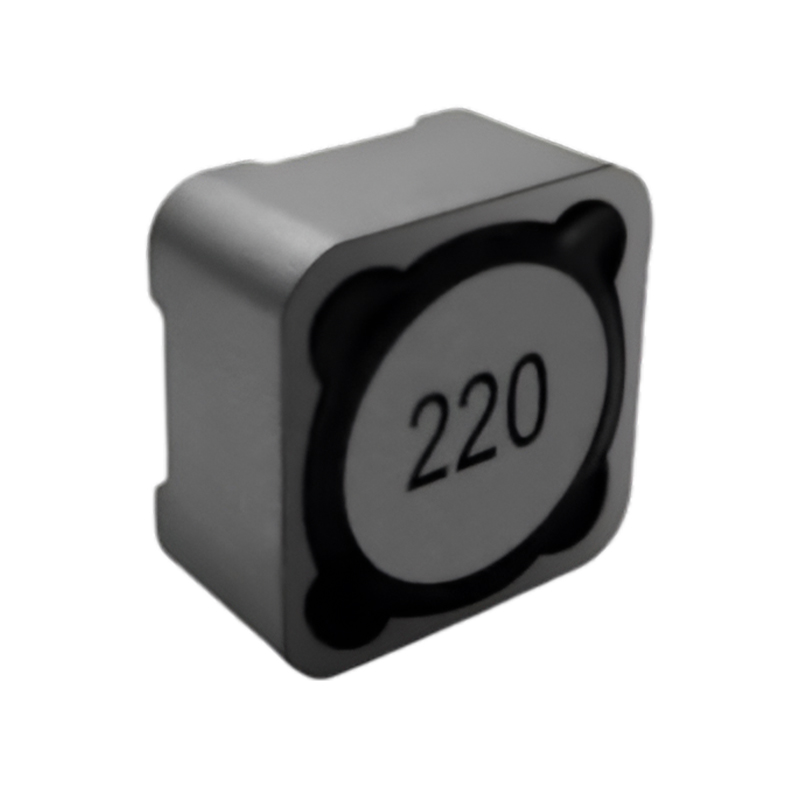
Magnetic inductors play a crucial role in the design of modern electronic devices, especially in applications requiring low loss, high current carrying capacity, and good shielding.
The self-resonant frequency is the critical point at which an inductor transitions from inductive to capacitive. Beyond this frequency, the inductor will lose its filtering function.
By optimizing the shape of the magnetic core and the position of the air gap, the uniformity of the magnetic field distribution within the winding window can be improved, reducing proximity effect losses caused by magnetic field distortion.
With the increasing trend towards miniaturization, efficiency, and intelligence in today's electronic devices, the operating frequency of switching power supplies is constantly increasing—from tens of kilohertz to several megahertz—to achieve smaller magn
As high-frequency switching power supplies increasingly pursue miniaturization, high efficiency, and high power density, the performance boundaries of magnetic components are constantly being pushed to their limits.